

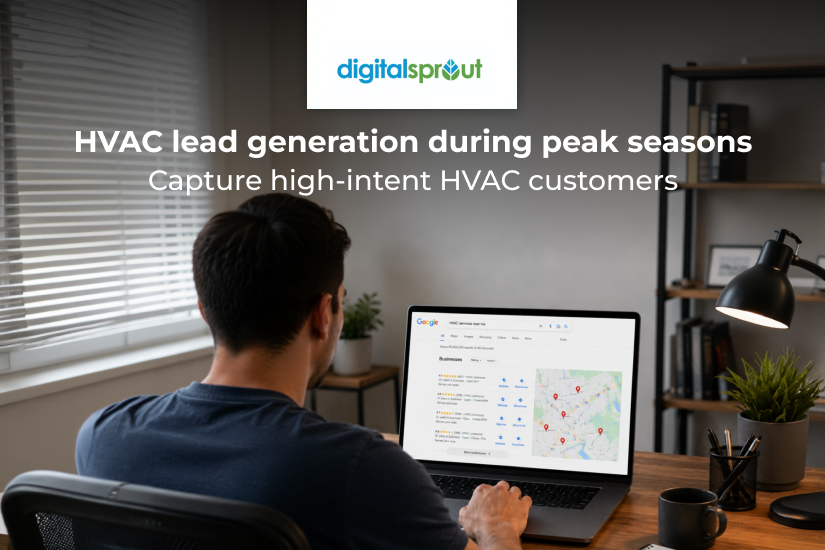
HVAC lead generation is not the same challenge in January that it is in July. When temperatures swing to extremes, homeowners stop researching and start calling. They are not comparing options. They want a company that shows up fast and fixes the problem. That urgency is exactly the window HVAC businesses need to be ready for.
The problem is that most HVAC companies treat peak seasons reactively. They ramp up spending when phones slow down and pull back when they get busy. That approach leaves money on the table during the highest-converting windows of the year.
This guide breaks down how to position your HVAC business to capture high-intent leads before, during, and after peak seasons, using the digital tools and strategies that actually move the needle in 2026.
Understanding High-Intent HVAC Searches and Why They Matter
Not every website visitor is a lead. But some visitors are ready to book the moment they land on your page. These are high-intent searchers. They have a broken AC in a heatwave. Their furnace quit in the middle of winter. They are not browsing. They are deciding.
Search queries like “AC repair near me,” “emergency furnace repair,” and “HVAC company open now” signal buying intent. These searchers have already made up their mind to hire someone. The only question is which company they call first.
Winning these searchers requires more than a Google Ads budget. It requires a complete digital presence that makes your company the obvious choice the moment someone searches.
When Are HVAC Peak Seasons and How to Plan Around Them
HVAC demand follows weather. Two major peaks define the industry calendar every year.
Summer Cooling Season
May through August drives the highest volume of AC repair and installation requests. In mid-Atlantic markets like Maryland, where summer humidity adds to the strain, homeowners often scramble when units fail during the first real heatwave of the year. This is when your digital presence needs to be fully optimized and your Google Business Profile actively updated.
Winter Heating Season
November through February brings furnace repair, heat pump replacement, and emergency heating service calls. The lead-to-booking window shrinks dramatically during a cold snap. Homeowners call the first company that answers and appears trustworthy.
Shoulder Seasons Are Not Dead
Spring and fall are often dismissed as slow periods, but they represent your best opportunity to build long-term SEO authority, collect reviews, and pre-position your business ahead of the next peak. HVAC companies that continue investing in content and local SEO during shoulder months pay less per lead when demand returns.
Optimize Your Google Business Profile for Peak Season Visibility
Your Google Business Profile (GBP) is often the first thing a high-intent searcher sees. It sits above organic results in local searches. It shows your rating, hours, phone number, and recent reviews. If it is incomplete, outdated, or unoptimized, you are losing calls to competitors who simply kept their profile current.
Here is what your GBP needs to do the work during peak season:
- Updated hours, including holiday and emergency availability
- Service descriptions that reflect your core offerings like AC repair, heating installation, and duct cleaning
- Recent photos of your team, trucks, and completed work
- Active review responses that show responsiveness
- Weekly GBP posts highlighting seasonal promotions and services
A well-maintained GBP is one of the most direct ways to improve your local pack ranking without increasing your ad spend.
Why HVAC Website Design Services Directly Impact Lead Capture
When a homeowner finds your company during an HVAC emergency, your website has a very short window to keep them there. If your site is slow, hard to navigate on mobile, or fails to immediately communicate what you do and where you do it, that visitor is gone.
HVAC website design services focus on conversion architecture, not just appearance. A well-built HVAC site should include:
Mobile-First Structure
A significant share of local service searches happen on mobile devices. Your site needs to load quickly and place your phone number above the fold on every page.
Dedicated Service Pages
Each service you offer, whether AC installation, furnace repair, heat pump replacement, or duct cleaning, needs its own page. These pages help Google understand your full service scope and give you multiple opportunities to rank for different high-intent keywords.
Trust Signals on Every Page
Licensing badges, review scores, years in business, and before-and-after photos reduce hesitation. A homeowner in distress wants to see that your company is legitimate before they pick up the phone.
How SEO for HVAC Companies Drives Peak Season Lead Volume
Paid ads bring traffic when you pay for them. Organic SEO keeps your business visible even when you stop spending. For HVAC companies, local SEO is the foundation of a sustainable lead strategy.
Working with an experienced HVAC SEO company means your website is built and maintained to rank for the searches that matter most in your service area. That includes:
- Location-specific service pages targeting your primary cities and neighborhoods
- Long-tail keyword targeting like “emergency AC repair” or “heat pump installation near me”
- Technical SEO improvements that help search engines index and rank your pages
- On-page optimization for service pages and blog content
- Local citation management and directory listings
One of the most overlooked opportunities is seasonal content. Publishing blog posts and service updates in the weeks before peak season signals relevance to Google and puts your business in front of research-stage homeowners who will convert when temperatures shift.
For smaller operators, SEO for small HVAC businesses focuses on building strong local visibility within their service areas instead of competing on a national level. This targeted approach helps attract more qualified leads and delivers faster, higher-converting results.
Using Google Ads and Local Services Ads to Win Peak Season Searches
Organic SEO builds long-term visibility, but paid advertising captures immediate demand. During peak HVAC seasons, combining both channels is the most effective approach.
Google Local Services Ads
Local Services Ads (LSAs) appear at the very top of search results with a Google Guaranteed badge. You pay per lead, not per click. This makes them a cost-effective entry point for high-intent searches. HVAC companies that maintain strong review profiles and verified credentials tend to win the top LSA positions during competitive periods.
Search Ads for Emergency and Installation Keywords
Pay-per-click campaigns targeting service-specific and location-based keywords allow you to control exactly who sees your ads and when. HVAC digital marketing services that include PPC management focus on bid strategy, ad copy, and landing page performance to reduce wasted spend and improve conversion rates.
Retargeting Campaigns
Not every visitor books on the first visit. Retargeting ads keep your company visible to people who have already shown interest, reminding them to call when they are ready to make a decision.
Building Online Reviews That Win High-Intent Customers
A homeowner searching for HVAC help during a crisis is not going to call a low-rated company when a higher-rated competitor appears right next to it. Reviews have moved from a nice-to-have to a direct ranking factor and a core trust signal.
To build a review profile that converts:
- Ask every customer for a review immediately after service completion
- Use text or email follow-ups with a direct link to your Google review page
- Respond to every review, both positive and negative, within 24 hours
- Train technicians to mention reviews as part of their post-service interaction
Consistently generating new reviews also signals to Google that your business is active and trusted, which supports your GBP ranking.
Content Marketing Strategies That Generate HVAC Leads Year-Round
Content is how your business builds search visibility between paid campaigns. It also helps you capture leads at every stage of the buying process, from homeowners researching a system replacement to those comparing service contracts.
Seasonal Blog Posts
Content like “How to prepare your AC for summer” or “Signs your furnace needs replacement before winter” captures search traffic well before peak demand hits. Publishing this content during shoulder seasons is one of the most effective ways to build organic visibility at no additional ad cost.
Hyperlocal Service Area Pages
Creating dedicated pages for each city or county you serve tells Google exactly where you operate and increases your visibility in neighborhood-level searches. These pages should include local references, specific services offered in that area, and a localized call to action.
FAQ and How-To Content
Questions like “how long does an AC unit last,” “what size HVAC system do I need,” and “how much does furnace repair cost” are searched consistently throughout the year. Answering these questions with detailed, well-optimized content builds authority and attracts pre-qualified visitors who are actively researching a service decision.
Social Media for HVAC Lead Nurturing
HVAC digital marketing services that integrate social media give your company multiple touchpoints with potential customers before they ever need emergency service.
On social media, Facebook and Instagram allow HVAC companies to run highly targeted campaigns based on homeowner status, location, and seasonal behavior. Promoting tune-up specials before peak season or sharing energy-saving tips in shoulder months keeps your brand visible when demand is low.
Consistent social engagement and timely outreach help HVAC businesses stay top-of-mind with homeowners throughout the year. Sharing helpful maintenance tips, seasonal reminders, and local service updates builds trust and encourages repeat business and referrals that support long-term growth.
Tracking Lead Sources and Measuring Marketing ROI
One of the most common mistakes HVAC companies make is spending on marketing without tracking where leads actually come from. Without that data, you cannot make smart decisions about where to invest and where to cut.
Every HVAC marketing strategy should include:
- Call tracking numbers tied to specific campaigns
- Google Analytics goal tracking on contact form submissions
- Monthly reporting on keyword rankings, organic traffic, and lead volume
- GBP insights tracking calls and direction requests
- Ad performance dashboards showing cost per lead by campaign
When your marketing team or agency can show you exactly what each lead costs and which channels produce the best close rates, you can scale your budget with confidence rather than guesswork.
Common HVAC Marketing Mistakes That Cost You Leads During Peak Season
Even well-run HVAC companies lose leads during peak season because of avoidable errors.
- Turning off digital marketing during your busiest months because you think you do not need more calls
- Having a website that loads slowly or is not mobile-friendly
- Failing to update your GBP with current hours and seasonal service offerings
- Not following up with customers for reviews after service visits
- Running ads without dedicated, conversion-optimized landing pages
- Investing in ad spend without a parallel SEO strategy to build long-term visibility
Fixing these gaps before peak season hits is far more cost-effective than trying to recover lost ground after demand has already peaked.
Conclusion
Peak seasons do not reward unprepared businesses. They reward HVAC companies that have spent the shoulder months building their digital foundation, sharpening their local SEO, and making sure their website and GBP convert the moment a homeowner is ready to call.
High-intent leads go to businesses that show up first, look credible, and make it easy to book. That combination of visibility, trust, and friction-free contact is what a complete HVAC digital marketing strategy is designed to deliver.
The best time to prepare your marketing for the next peak season is right now. Build the foundation during the quiet months, and let it work for you when demand surges.
Grow Your HVAC Business with Digital Sprout
At Digital Sprout, we specialize in helping HVAC companies turn their digital presence into a consistent source of qualified leads. Our team understands the seasonality, urgency, and local search dynamics that define the HVAC industry, and we build marketing strategies around what actually drives booked appointments.
As a trusted HVAC SEO company, we create customized marketing strategies that help your business rank higher in local searches, attract qualified customers, and generate more service calls. From optimizing your online presence to improving visibility in your target service areas, our focus is on delivering measurable growth for your HVAC business.
We proudly serve HVAC businesses in Maryland, Florida, and across the country. Our data-driven approach ensures every dollar you invest in marketing is working as hard as your technicians do.
Contact us today to schedule a consultation and see how Digital Sprout can help your HVAC business capture more leads during your peak seasons.
Frequently Asked Questions
1. When should HVAC companies start marketing for peak season?
HVAC companies should start ramping up their digital marketing six to eight weeks before the expected peak. For summer season, that means increasing content and ad activity by April. For winter, September is the right time to begin. SEO work takes time to produce results, so earlier preparation always produces better outcomes.
2. How does local SEO help HVAC companies get more leads?
Local SEO improves your visibility in Google Maps and local search results when homeowners search for HVAC services in your area. This includes optimizing your Google Business Profile, building location-specific service pages, and earning consistent citations across online directories. Combined, these efforts increase your chances of appearing in the local pack, which drives phone calls and form submissions from high-intent searchers.
3. Is PPC or SEO better for HVAC businesses during peak season?
PPC captures immediate demand and delivers leads quickly, which is valuable when a homeowner needs same-day service. SEO builds sustainable visibility that generates leads at no additional cost per click over time. The most effective HVAC marketing strategies use both channels together, layering paid campaigns on top of a strong organic foundation.
4. What should an HVAC company website include to convert visitors into leads?
A high-converting HVAC website should have a visible phone number above the fold, mobile-optimized design, dedicated pages for each service, clear calls to action, licensing and certification badges, customer reviews and ratings, fast page load speeds, and easy-to-submit contact forms. Each element reduces the friction between a visitor landing on your site and taking action.
5. What is the difference between HVAC SEO and general SEO?
HVAC SEO is built around the specific search behavior of homeowners looking for heating and cooling services. It focuses on local intent, seasonal keyword patterns, service-specific landing pages, and Google Business Profile optimization. General SEO strategies are not designed around these dynamics, which is why working with an HVAC SEO company that understands the industry produces better results than a generic approach.